
WASHINGTON — The House voted 343-79 on Sept. 15 to pass the Diesel Emissions Reduction Act of 2025, reauthorizing the EPA program that helps pay fleets to retrofit or replace older diesel engines. The engrossed bill is a single amendment: it strikes "2024" from the program's authorization and inserts "2029." That one word carries $100 million a year with it, and the authorization it revives had already lapsed.
The tally was 212 Democrats, 130 Republicans and one independent, Transport Topics reported. The Senate companion, S. 2235, has sat since October 2025, so none of this is law yet.
What the money actually pays for
Under 42 U.S.C. 16132, a DERA grant, rebate or loan can cover retrofit technology — "including any incremental costs of a repowered or new diesel engine" — on buses, medium- and heavy-duty trucks, marine engines, locomotives and nonroad equipment, plus projects that cut long-duration idling. The catch is that the hardware has to be a certified engine configuration, a verified technology or an emerging technology, meaning EPA or CARB has signed off on it.
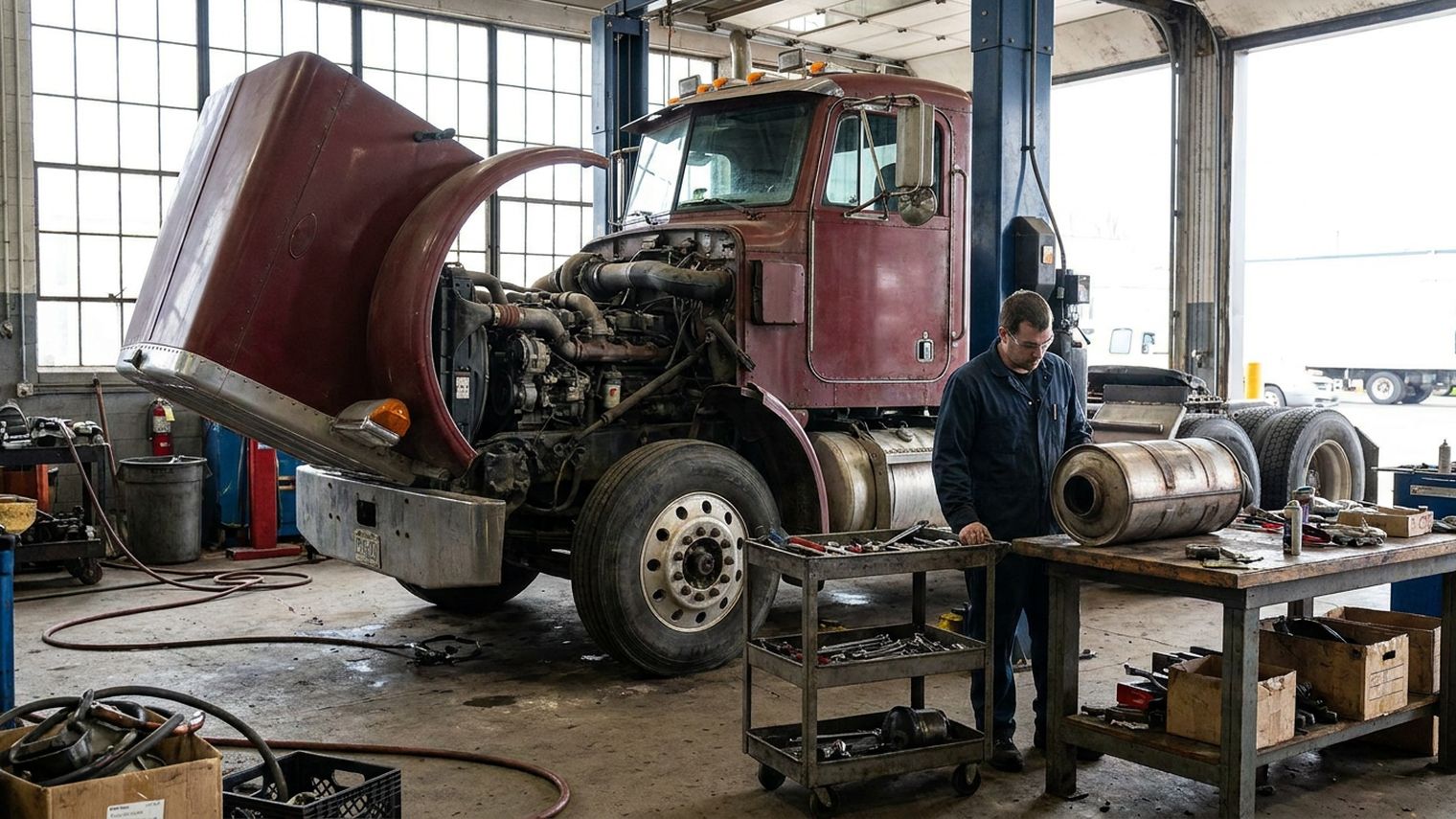
That is broader than it sounds. The statutory definition of a certified engine configuration explicitly covers a rebuilt or remanufactured engine, so a reman long block built to a tighter standard sits in the same eligibility bucket as a factory-new one. On the retrofit side, EPA's verified list runs to diesel particulate filters, diesel oxidation catalysts, crankcase emission control devices and engine component upgrades, alongside repair, rebuild and repower work and idle-reduction equipment.
The clause that decides who qualifies
One sentence in the statute governs eligibility more than any funding number does: DERA money cannot pay for emissions reductions mandated under federal law, except where the mandate sits in an EPA-approved state implementation plan. The program buys cleanup ahead of requirement, not compliance you already owe. That pushes it squarely at legacy iron — the oldest tractors and vocational units in a mixed fleet, not the 2027-spec trucks on order.
Thirty percent of each year's funding is reserved by statute for state-administered grant, rebate and loan programs, and that is where most small fleets will meet it. State windows open and close on their own calendars, not EPA's, so the lead time is shorter than a federal notice of funding opportunity suggests.
American Trucking Associations praised the vote, with chief advocacy and public affairs officer Henry Hanscom saying DERA "has helped accelerate the deployment of cleaner, more efficient trucks while supporting the movement of America's freight."
What fleets should do before the money lands
Nothing is appropriated yet, and the Senate may not move S. 2235 at all. But the inventory work that makes an application credible is work you can do now, and it pays for itself either way.
Start by pulling engine serial numbers and emission family codes off your oldest units and confirming what is actually installed. Repowers and used-truck purchases mean the paperwork and the iron disagree more often than people expect, so it is worth checking the spec against what that make and model year originally shipped with before you write anything into a grant narrative.
Then sort each unit into retrofit or repower. If aftertreatment is the reason a truck is on the list, diagnose before you budget — a plugged DPF and a failed NOx sensor look identical on the dash, and working the symptom through a failure-mode guide is cheaper than a canister you did not need. If you are pricing a repower, remember DERA covers only the incremental cost, so the quote needs real part numbers behind it; running the interchange on those numbers shows where reman and aftermarket options sit against the OEM line before you commit a figure you have to defend.

Find the right part for your truck
Tell PartsNow AI the truck and the job. It checks fitment, finds OEM cross-references and pulls live pricing from the catalog.
PartsNow Newsroom
Parts news, straight to your inbox
Product updates, catalog additions and new cross-references. Unsubscribe anytime.